
The Death of the Corner Office: How Workplace Hierarchy Changes Affect Space Planning
The corner office, the long-desired prize of the corporate world. Two full glass windows, extra space, a stocked bar cart in the corner, housing a diffuser filled with glistening, golden whisky. All of it swathed in a sense of accomplishment and status, a reward for being the one chosen to occupy such a revered space. Whether you’ve spent decades climbing the corporate ladder or simply love the workplace drama of shows like Mad Men, you know the corner office used to be a big deal.
However, this once-peak symbol of workplace status is appearing less and less in modern offices. While some saw it as something to strive toward, a reward for hard work and loyalty, others found the hierarchy it represented problematic, elevating people who were part of cliques rather than those who actually worked hard.
That’s not the only reason these offices are disappearing from modern floor plans. With shifting work cultures, new workplace motivations, and a growing emphasis on collaboration over isolation, the corner office has simply become too much empty space to justify. Read on to explore why corner offices are increasingly rare in Australian fitouts, and discover what’s taking their place.
Why the Corner Office Is Disappearing
The shift away from traditional executive offices isn’t just about changing attitudes towards hierarchy. It’s a fundamental reimagining of how we work, collaborate, and define success in the modern workplace.
The Rise of Collaborative Work Cultures
Today’s most innovative companies recognise that great ideas don’t only come from the top floor. Open, collaborative environments where teams can freely exchange ideas have proven more valuable than preserving physical symbols of rank. When everyone from the CEO to graduate employees shares a similar workspace, it breaks down barriers that previously hindered communication and innovation. Best of all, it encourages mentorship and promotes growth every step of the way. New staff members can quickly share an idea with their coworkers and brainstorm on the fly, rather than braving the awkward march through rows of corporate booths to knock on the full-glass walls of the CEO.
Brisbane businesses are increasingly adopting this approach, creating offices where collaboration takes precedence over corner views. This shift reflects a broader understanding that workplace culture drives productivity more than individual status symbols ever could.
Changing Leadership Styles
Modern leadership emphasises accessibility and transparency rather than distance and authority. Today’s executives want to be visible and approachable, not isolated behind closed doors. The corner office, by its very nature, creates physical and psychological separation between leaders and their teams.
If you were working before the 2000s, you’ll surely remember the awkward feeling of getting an email from the boss asking for a meeting in their office. You’d grab your notebook and pen, head over, and try to ignore the curious or judgmental stares from your colleagues. All that stress just to be told that you’re doing a good job. Well, now, modern fitouts have worked to tear down that authoritarian feeling and establish a culture where everyone feels like part of the team.
Progressive companies are replacing private executive suites with open desks positioned among team members. This doesn’t mean leaders lack privacy when needed, but rather that privacy becomes a function, not a privilege tied to seniority. When important chats need to happen, they’re in quiet breakout zones or conversation booths.
The Cost of Wasted Space
From a purely practical perspective, corner offices represent an inefficient use of premium real estate. The best-lit, most desirable spaces in a building often sit empty for much of the day, occupied by executives who spend significant time in meetings, travelling, or working remotely.
Forward-thinking organisations are reimagining these prime locations as collaborative spaces, breakout areas, or quiet zones that serve the entire team. This approach maximises the value of every square metre whilst creating spaces that genuinely enhance how people work.
How Modern Office Fitouts Reflect New Hierarchies
The death of the corner office doesn’t mean the death of structure or leadership recognition. Instead, it signals a more nuanced approach to workplace design that balances equality with practical needs.
Activity-Based Working Environments
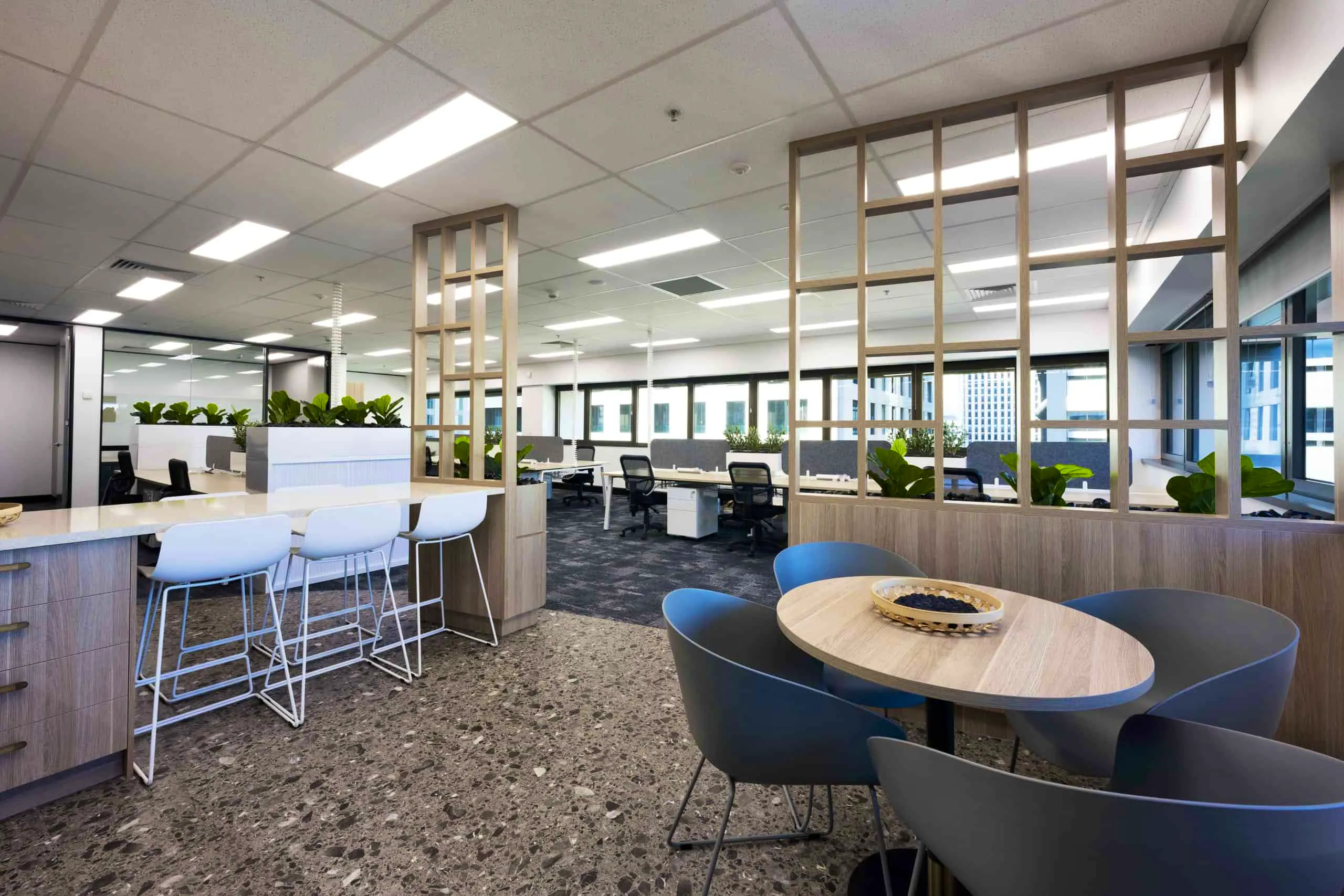
Rather than assigning space by title, modern offices allocate space by function. Executives might have access to private meeting rooms for confidential discussions, but these spaces are designed for the task, not the person. Similarly, team members have access to quiet focus areas, collaborative zones, and social spaces based on their work needs rather than their position on the organisational chart.
This activity-based approach creates more flexible, efficient offices where space serves the work being done. Urban Group’s Brisbane office fitouts increasingly incorporate this philosophy, designing spaces that adapt to how teams actually work rather than reinforcing outdated hierarchies.
Transparent and Flexible Leadership Spaces
When executives do need dedicated space, it’s increasingly designed with transparency in mind. Glass-walled offices maintain a visual connection with the broader team whilst providing acoustic privacy for sensitive conversations. These spaces often double as meeting rooms or collaborative areas when not in use, maximising their utility.
Some organisations have eliminated permanent executive offices entirely, instead providing booking systems where any team member, including leadership, can reserve private space as needed. This approach treats space as a shared resource whilst acknowledging that everyone occasionally needs privacy and quiet.
Equity in Amenities and Design
The best modern offices don’t just democratise space allocation. They ensure that quality, comfort, and amenities are distributed equitably throughout the fitout. Natural light, ergonomic furniture, and access to collaborative technology aren’t reserved for senior staff but are standard across the office.
This creates an environment where everyone feels valued and supported in their work, regardless of their role or tenure. It’s a tangible expression of organisational values that resonates far more powerfully than any mission statement.
The Impact on Space Planning and Design
Designing offices without traditional hierarchical markers requires a different approach to space planning. It’s no longer a matter of allocating the best spaces to the highest-ranking individuals. Instead, it’s about creating an environment that serves the entire organisation’s needs.
Prioritising Collaboration Over Privacy
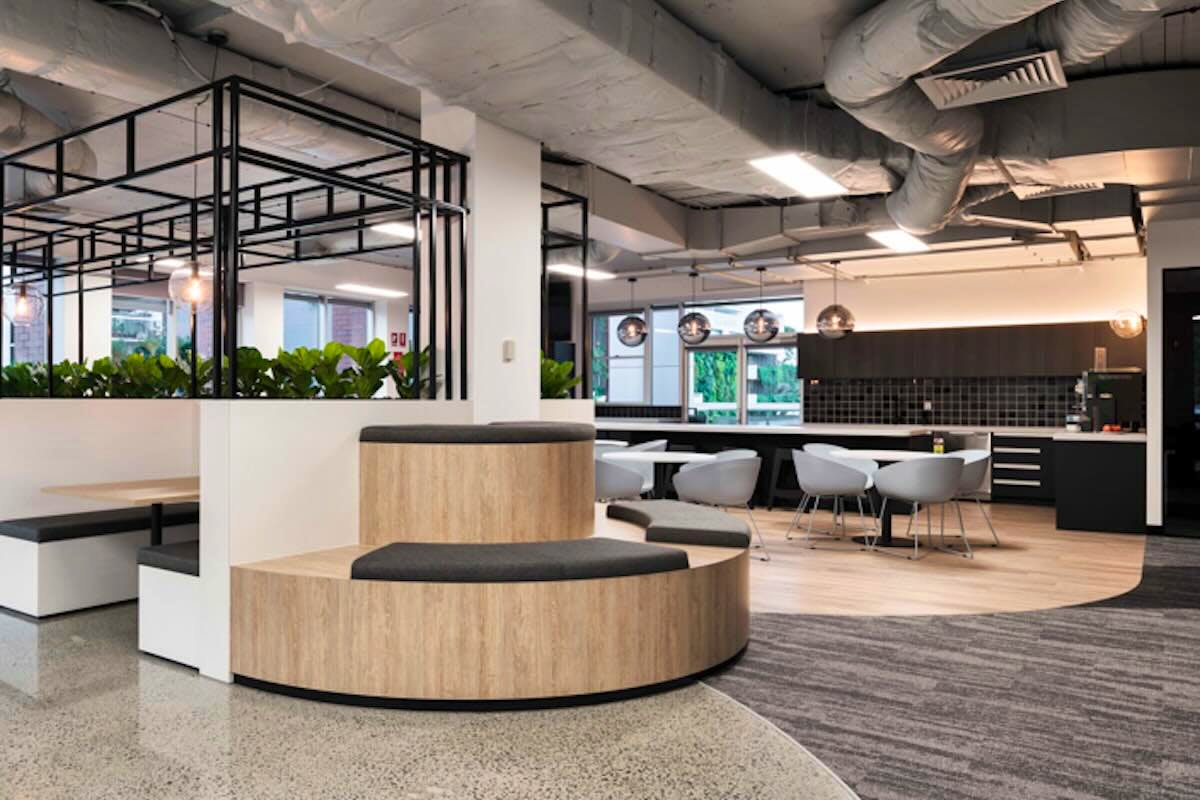
Modern office fitouts dedicate significantly more space to collaborative areas than traditional designs. Meeting rooms, breakout spaces, and informal gathering areas take precedence over individual offices. This shift reflects how work actually happens in contemporary organisations, where cross-functional collaboration drives innovation and results.
However, successful designs balance collaboration with the need for focused individual work. Quiet zones, phone booths, and bookable focus rooms ensure people can concentrate when needed without reverting to a hierarchy of corner offices.
Flexible Spaces for Changing Needs
The most successful modern offices embrace flexibility as a core design principle. Modular furniture, movable partitions, and adaptable technology infrastructure allow spaces to evolve as organisational needs change. This approach acknowledges that today’s perfect layout might not serve tomorrow’s teams.
Urban Group specialises in creating these flexible environments for Brisbane businesses, designing fitouts that can adapt without requiring complete renovation. This forward-thinking approach protects your investment whilst ensuring your space continues to serve your team effectively.
Technology-Enabled Equality
Technology plays a crucial role in the democratised office. Video conferencing capabilities in every meeting space, from small huddle rooms to large conference areas, ensure remote participants have equal access regardless of physical location. Booking systems create fair access to shared spaces, whilst collaboration platforms ensure everyone can contribute regardless of where they sit.
This technology infrastructure supports the cultural shift away from hierarchical space allocation, making it possible for teams to work effectively without relying on traditional markers of status and authority.
Creating Your Modern Brisbane Office Fitout
Moving away from traditional corner offices doesn’t mean abandoning structure or recognition entirely. It means creating spaces that reflect how modern organisations actually work whilst supporting the culture you want to build.
At Urban Group, we’ve helped numerous Brisbane businesses navigate this transition, creating office fitouts that balance collaboration with focus, equality with practical needs, and flexibility with lasting design quality. Our turnkey approach means we handle everything from initial space planning through to furniture installation, ensuring your new office truly serves your team’s needs.
Whether you’re relocating to a new Brisbane office, renovating your current space, or simply rethinking how you use your existing fitout, we can help you create an environment that reflects modern workplace values whilst meeting your specific functional requirements.
The death of the corner office represents an opportunity to create something better: workplaces where collaboration thrives, where everyone feels valued, and where space serves function rather than reinforcing outdated hierarchies. Let’s discuss how we can help you create that environment for your Brisbane team.
Ready to reimagine your Brisbane office space? Contact Urban Group today to discuss how we can create a modern, collaborative fitout that serves your entire team.