
Collaborative Spaces Design: Modern Meeting Rooms and Breakout Areas
Office Design Has Grown Up (Thankfully)
Office design, like any good science, evolves. And thankfully, we’ve moved on from some truly questionable ideas. Much like we no longer think elite athletes should train without recovery or proper nutrition, we now understand that grey cubicles, buzzing fluorescent lights and intimidating boardrooms don’t exactly inspire our best work.
Today’s workplaces are designed very differently. They’re less about hierarchy and hard lines, and more about connection, creativity and flexibility. The rise of collaborative spaces isn’t about chasing trends or throwing bean bags into a corner and calling it innovation. It’s about designing offices people actually enjoy coming into and spaces that support how work really happens.
If you’re planning a new office or renovating an existing one, you’ve probably noticed phrases like “collaborative spaces,” “breakout zones,” and “activity-based working” popping up everywhere. Let’s break down what these spaces actually are, why they matter, and how to design them properly.
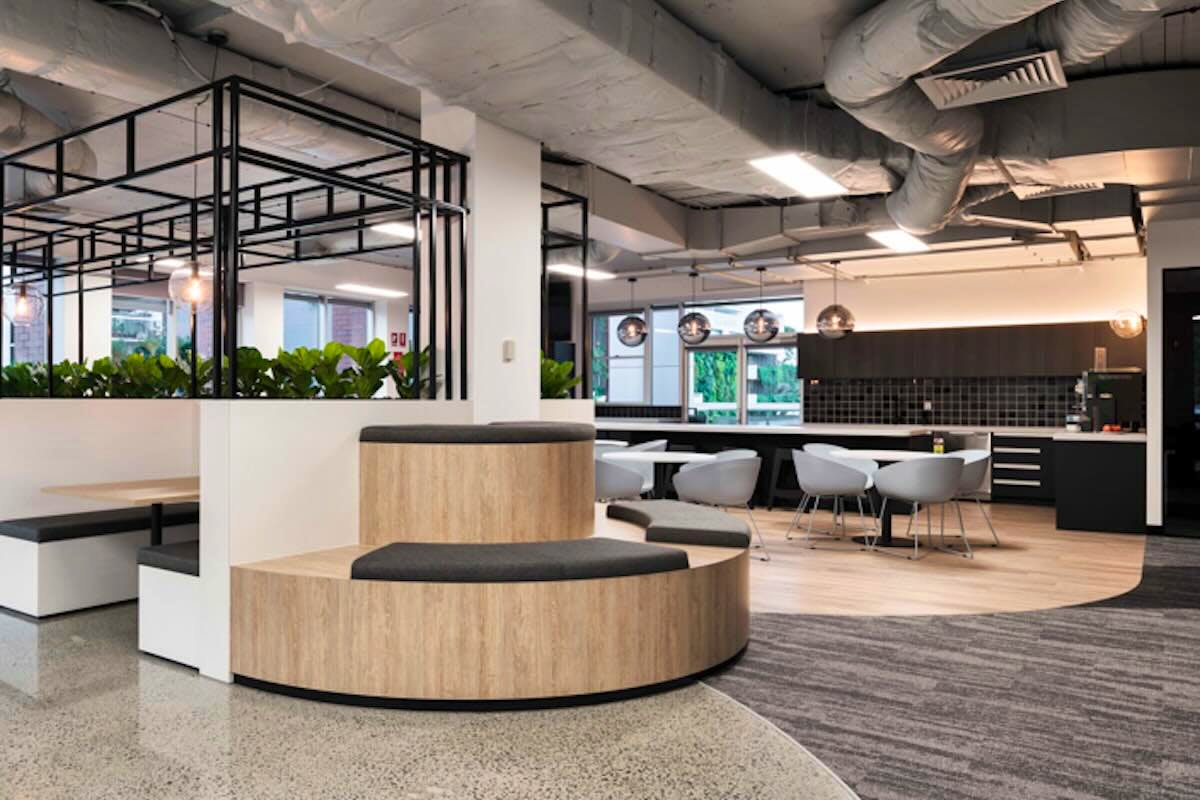
What Are Collaborative Spaces?
Collaborative spaces are purpose-designed areas within an office that encourage people to talk, think, share ideas and work together. Unlike traditional layouts that prioritise individual desks above all else, collaborative spaces are about bringing people together, whether that’s for structured project work or spontaneous conversations that turn into great ideas.
They’re flexible by design. Open, adaptable and inviting, these spaces give teams the freedom to choose how and where they work throughout the day. The aim is to move away from offices that feel rigid or transactional and toward environments that feel energised and alive.
Most modern offices include a mix of collaborative environments: open team areas, informal lounges, tech-enabled spaces for hybrid meetings and quieter zones nearby for focused work. Because not every task needs the same setting, and people do their best work when they have a choice.
What Makes a Collaborative Space Actually Work?
A good collaborative space isn’t accidental. It’s the result of thoughtful design choices that balance comfort, functionality and flexibility.
Flexible, Moveable Furniture
Collaborative spaces thrive on furniture that can move and adapt. Modular seating, collaborative tables, mobile whiteboards and lightweight chairs allow teams to reshape a space in minutes, from quick catch-ups to full workshops.
Round or circular tables work particularly well here. Without a “head” of the table, conversations feel more balanced and inclusive, and no one automatically slips into presenter mode unless they need to.
Soft seating like lounges and ottomans also plays an important role, making these spaces feel relaxed rather than formal, and encouraging people to settle in and talk.
Built-In Technology (Not Tacked On)
If collaboration spaces don’t support technology properly, people simply won’t use them. Power points, USB charging, strong Wi-Fi and seamless screen sharing are essential, not optional.
Modern collaborative spaces are also designed for hybrid work. Integrated screens, video conferencing equipment, wireless presentation tools and digital whiteboards make it easy for remote team members to join without the awkward “can you hear me?” dance.
Sound Matters More Than You Think
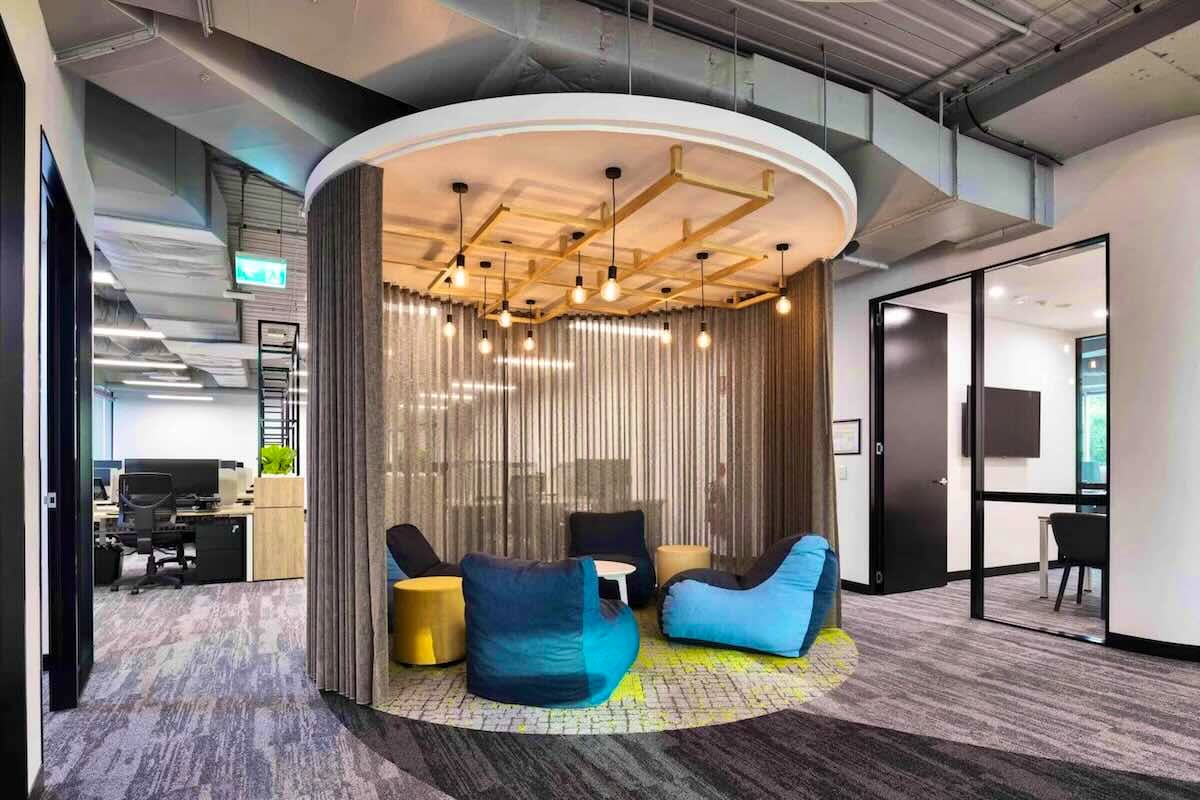
Open collaboration doesn’t mean noisy chaos. Good acoustic design makes all the difference. Soft furnishings, acoustic panels, rugs and considered layouts help absorb sound and keep energy levels comfortable.
Phone booths, quiet pods and smaller enclosed areas nearby give people places to duck into for private calls or focused tasks, without killing the buzz of the open space.
Bringing the Outside In
Plants, natural light, timber finishes and organic textures aren’t just nice to look at. Biophilic design has been shown to reduce stress, improve focus and boost overall wellbeing.
In Brisbane especially, incorporating natural elements helps offices feel lighter, fresher and more in tune with their environment. And people simply enjoy being in those spaces more.
Why Collaborative Spaces Are Everywhere Now
Collaborative spaces didn’t appear overnight. A few major shifts in how we work have pushed them to the forefront.
The Hybrid Work Shift
The office is no longer the only place work gets done. With focused tasks often handled from home, the role of the office has changed.
People come in to connect, collaborate and work together. That’s why many businesses are reducing individual desk space and reallocating floor area to collaboration zones. The office has become a destination, not a default.
Innovation Thrives on Interaction
Some of the best ideas don’t come from scheduled meetings. They happen in passing conversations, quick catch-ups and moments where different teams collide.
Well-designed collaborative spaces encourage these interactions naturally, creating opportunities for creativity that simply don’t happen in siloed environments.
People Expect More From Their Workplace
Today’s employees expect workplaces that support their wellbeing and reflect the value their employer places on them. Comfortable breakout spaces and collaboration areas show that a business understands people need variety, movement and moments away from their desks.
And yes, people really do work better when they’re not counting down the minutes until they can leave.
Smarter Use of Space
From a practical perspective, collaborative spaces often make better use of office real estate. Fixed desks sit empty more often than businesses realise, while flexible spaces can be used throughout the day by different teams.
Collaboration Spaces vs Meeting Rooms vs Breakout Areas
These spaces are often confused, but they serve very different purposes.
Traditional Meeting Rooms
Meeting rooms are formal and structured. They’re designed for agendas, presentations, client meetings and conversations that need privacy or authority.
They still matter. But let’s be honest, most people don’t walk into a traditional boardroom feeling inspired.
Collaboration Spaces
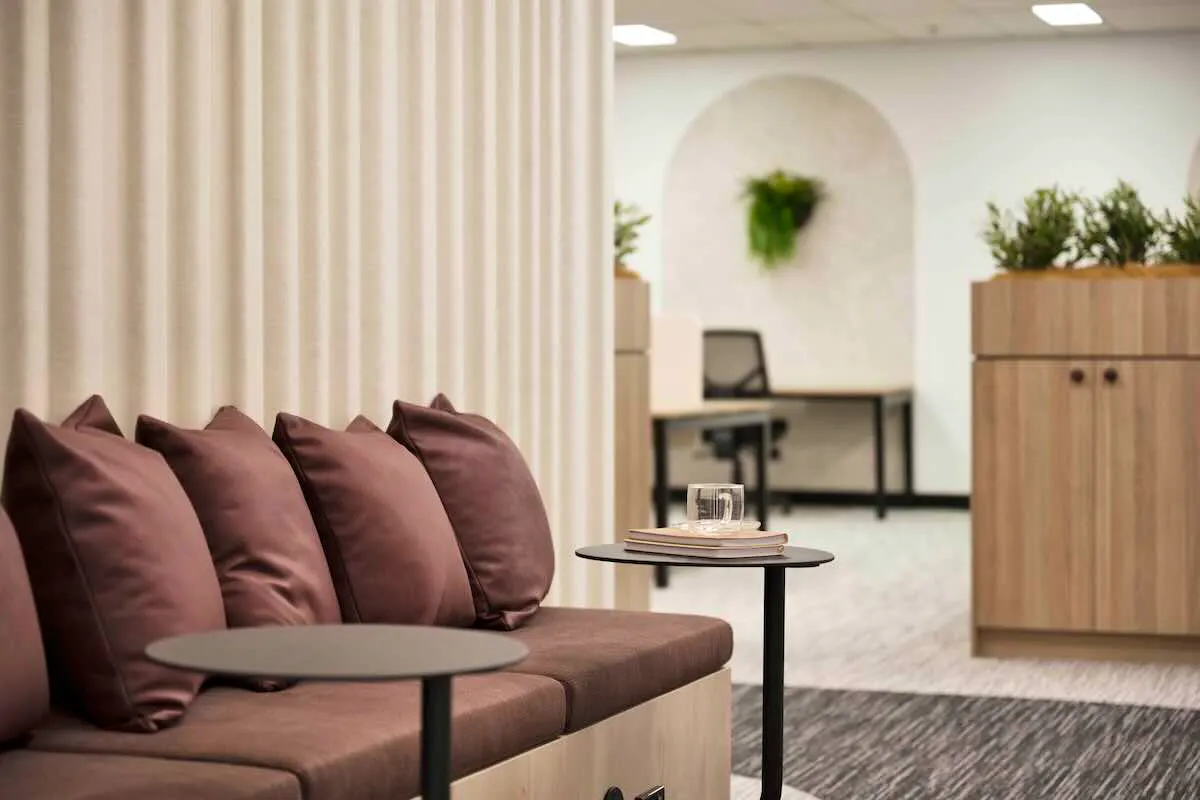
Collaboration spaces are deliberately informal. They’re relaxed, flexible and designed to spark conversation rather than control it.
You’ll find movable furniture, casual seating, writable surfaces and an atmosphere that encourages people to speak up, throw ideas around and think differently.
Breakout Areas
Breakout areas sit somewhere in between. They’re places to grab a coffee, change scenery, reset your brain or have an informal chat.
They’re not always designed for group work, but they play a huge role in wellbeing and productivity.
Why You Need All Three
The best offices don’t force one way of working. They give people options.
A focused task, a creative brainstorm, a client presentation and a quiet mental break all need different environments. Good office design supports all of them.
Transform Your Workspace with Urban Group
At Urban Group, we design and deliver commercial office fitouts that bring collaborative spaces to life for Brisbane businesses. From planning and design to construction, furniture and finishes, our turnkey approach makes the process seamless.
With over 30 years of experience in Brisbane’s commercial fitout industry and access to our dedicated showroom, we help you design spaces that look great, work hard and support how your people actually work.
Ready to rethink your workplace? Get in touch with our team and let’s design a space your team will actually enjoy coming into.