Office furniture trends for 2026
The office is changing fast, and 2026 is shaping up to be one of the most exciting years yet for workplace design. As businesses in Brisbane and across Australia rethink their spaces for hybrid work, wellbeing, and more meaningful collaboration, furniture and design are becoming smarter, softer, and far more human.
Whether you’re gearing up for a full office fitout or just giving your space a little glow-up, these emerging trends are your cheat sheet to creating a workplace people actually want to be in — not just one they have
Natural and Rugged Accents in Corporate Settings
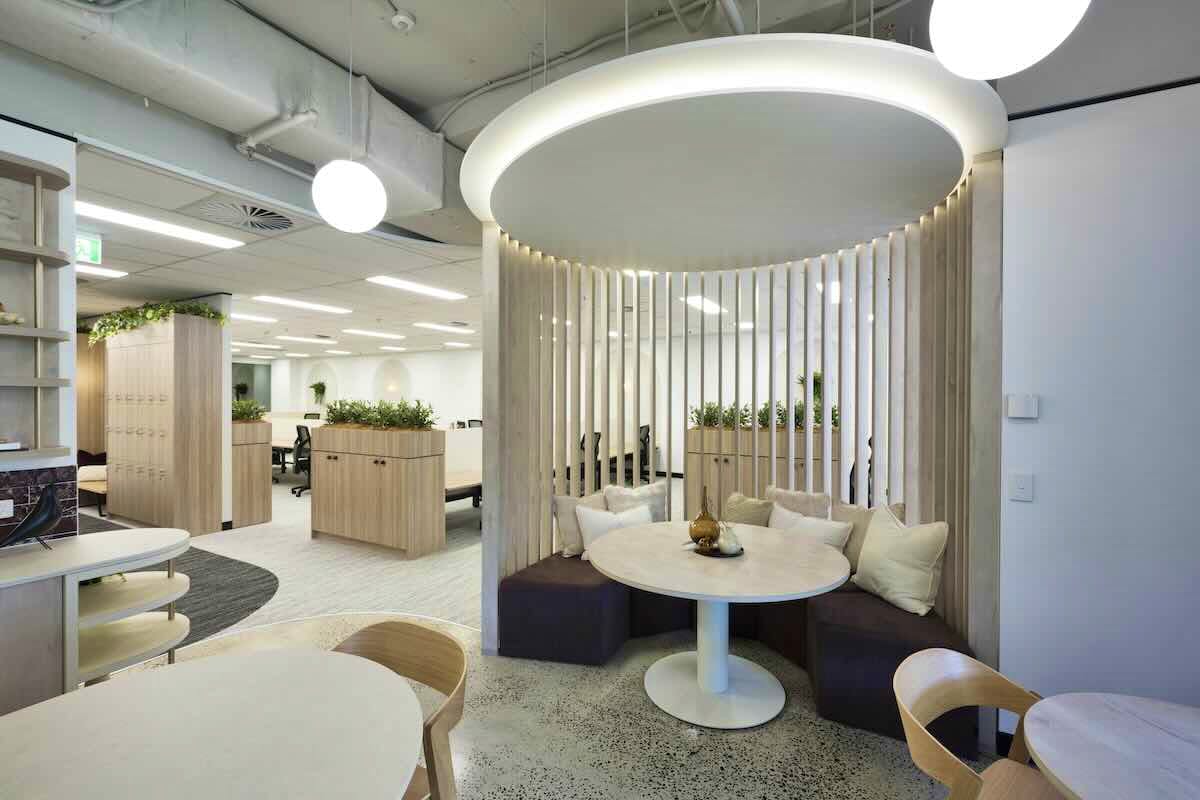
For most offices, there’s only so much you can do to disguise the corporate staples like concrete floors and drop ceilings. Rather than fighting against these elements, forward-thinking designers are embracing them and adding contrast through rugged, natural furniture pieces.
Think reclaimed wood conference tables that tell a story, wood stump stools that bring organic texture to breakout areas, stone kitchen counters and splashbacks that feel substantial and timeless. This mixture of traditional office architecture with rugged, natural focal points creates interesting contrast and establishes genuinely dynamic spaces that feel both professional and inviting.
The beauty of this approach is that it acknowledges the reality of commercial spaces whilst adding warmth and character through carefully chosen natural elements. By mixing industrial bones with natural materials, workplaces achieve a layered and balanced feel. They remain professional and functional, but with a welcome softness that makes them far more inviting.
Flexible Furniture for a Workday That Never Looks the Same
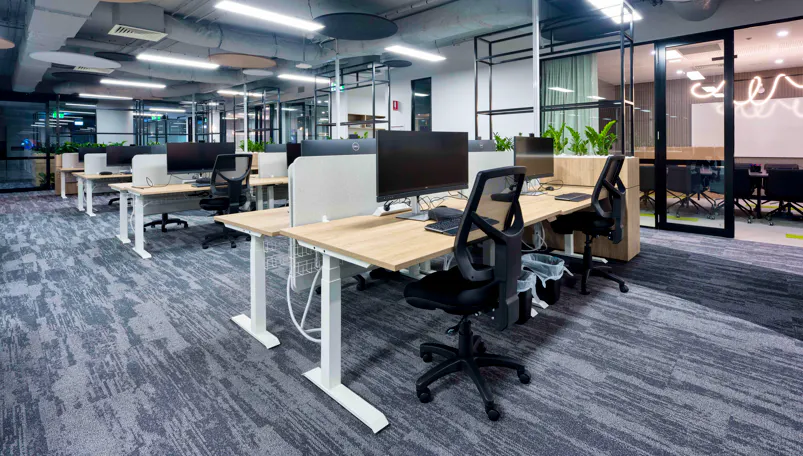
Hybrid work, shifting team sizes, and ever-changing project priorities have made one thing very clear: office furniture can’t afford to be static anymore. Flexibility is the name of the game for 2026. Offices now need furniture that moves as easily as the people who work in them, whether that’s modular seating that can be rearranged without effort or meeting setups that morph from collaborative group spaces into quiet, focused zones in a matter of minutes.
Ergonomics remains a non-negotiable, even as furniture becomes more adaptable. Sit-stand desks, supportive chairs, adjustable monitor arms, and thoughtful accessories are no longer “nice-to-haves” but essential tools that help people stay comfortable and productive throughout the day. Flexibility shouldn’t feel flimsy or uncomfortable — it should feel effortless.
Multi-purpose furniture is also becoming a clever way to maximise every inch of office real estate. A bench that transforms into a meeting table, a partition that doubles as a whiteboard, or an ottoman that stores technology while still providing a place to sit, these pieces allow the workspace to quickly shift between focus, collaboration, and everything in between.
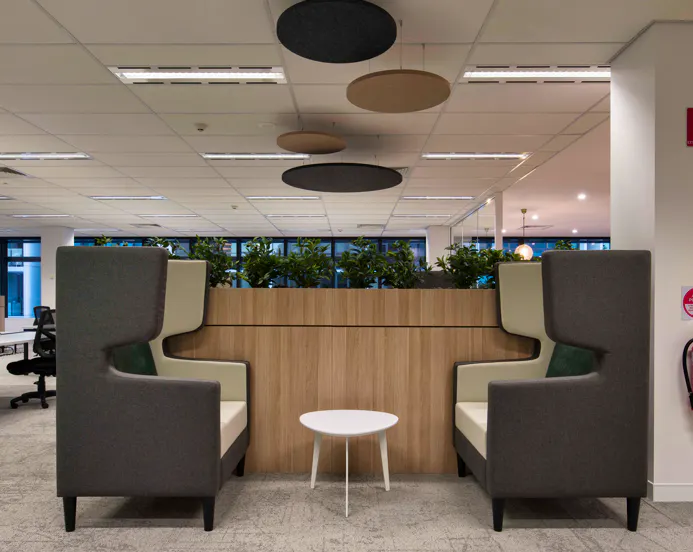
Offices are also embracing micro-environments that give people a break from the buzz of an open-plan layout. Phone booths, one-person focus pods, and acoustic chairs are becoming essential for anyone who needs a moment of quiet without disappearing into a closed office. These spaces prove that privacy and calm can exist even in the most open of floor plans.
Less Executive, More Inclusive
The classic corner office is officially being phased out. Modern leadership is stepping out of seclusion and working alongside their teams, sharing the same breakout areas and meeting spaces and creating an environment that feels more open and collaborative. This shift is as much cultural as it is physical. Hierarchy is no longer expressed through square metres and glass partitions. Instead, workplaces are designed to reinforce the idea that everyone’s work matters and that accessibility and transparency sit at the heart of successful teamwork.
The result is a space that feels more energetic, more democratic, and far more engaging for the entire team.
Softer Spaces: The Rise of “Office Living Rooms”
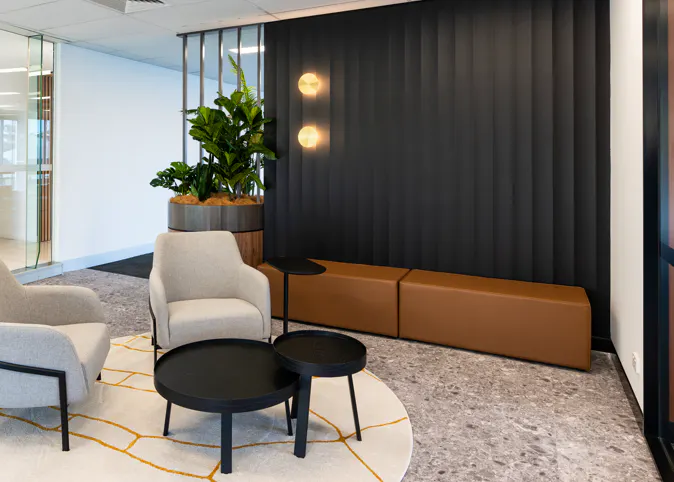
Workplaces are borrowing heavily from residential design, with lounges, layered textiles, side tables, lamps, and soft furnishings creating cosy “living room” zones. These areas aren’t just for looks, they encourage casual collaboration, decompressing between meetings, and a more relaxed workplace culture.
Hospitality-Inspired Workspaces
Offices are borrowing cues from cafés, boutique hotels, and airport lounges. Think bar-style ledges for quick meetings, booth seating for semi-private conversations, and ambient lighting that feels more dine-in restaurant than fluorescent corporate. The workplace is becoming a destination, not a chore.
Layered Textures for Warmth & Depth
Texture is having a moment. We’re seeing boucle, felt, ribbed upholstery, raw timber, matte metals, and stone elements used together to create richly layered environments. The tactile mix adds warmth, visual interest, and a sense of calm, a far cry from the shiny laminates of the past.
Lighting That Feels Like Home
Technically, lighting isn’t furniture, but it plays such a defining role in how an office feels that it deserves its own spotlight. The bright, clinical white lighting that once typified “professionalism” is finally on its way out. Designers are choosing warmer, softer 3000K lighting that creates an atmosphere closer to home than a hospital. This shift doesn’t just look nicer — it changes the way people feel in a space. Warm light reduces eye strain, creates a welcoming environment, and encourages a calmer mindset throughout the day.
This new approach to lighting is about more than aesthetics. It’s about acknowledging that humans don’t thrive under harsh, blue-toned light. By creating spaces that feel comfortable and cohesive, lighting becomes one of the simplest and most powerful tools for enhancing wellbeing and productivity.
Bringing It All Together
Every trend shaping office design in 2026 points to the same idea: workplaces should feel designed for people. Warmer lighting, playful design details, inclusive layouts, natural materials, and flexible furniture all combine to create a more thoughtful and engaging office experience.
As Brisbane businesses continue to evolve and reshape their workplaces, these trends provide a practical, inspiring roadmap for creating environments that work beautifully today and adapt seamlessly to the future. The most successful offices in 2026 will be the ones that feel less like old-school corporate environments and more like spaces where people genuinely want to spend their time.
Ready to Transform Your Office?
Urban Group specialises in creating commercial workspaces that strike the perfect balance between contemporary design and everyday practicality. From the first sketches to the final touches, all managed through our Brisbane showroom, we handle every step of the fitout process, including design, construction, and furniture selection.
Whether you’re dreaming of a complete transformation or simply want to update your current space with the latest 2026 trends, our team is ready to help you bring it all to life. Reach out today and let’s start shaping an office your team will love walking into.