
Smart Office Technology Integration: Future-Proofing Your Workspace
The modern workplace is evolving rapidly, and smart office technology is no longer a luxury but a necessity for businesses looking to attract talent, boost productivity, and reduce operational costs. When planning your next office fitout, integrating the right technology from the outset can transform how your team works and give your business a competitive edge.
Understanding what smart office technology can do for your workspace and how to integrate it effectively during a fitout is crucial for getting the best return on your investment.
What is Smart Office Technology?
Smart office technology refers to connected systems and devices that automate, optimise and enhance workplace operations. These technologies use sensors, software and connectivity to create responsive environments that adapt to user needs whilst collecting data to improve efficiency.
From automated lighting that adjusts based on natural light levels to meeting room booking systems that prevent scheduling conflicts, smart technology creates workspaces that are more efficient, comfortable and cost-effective.
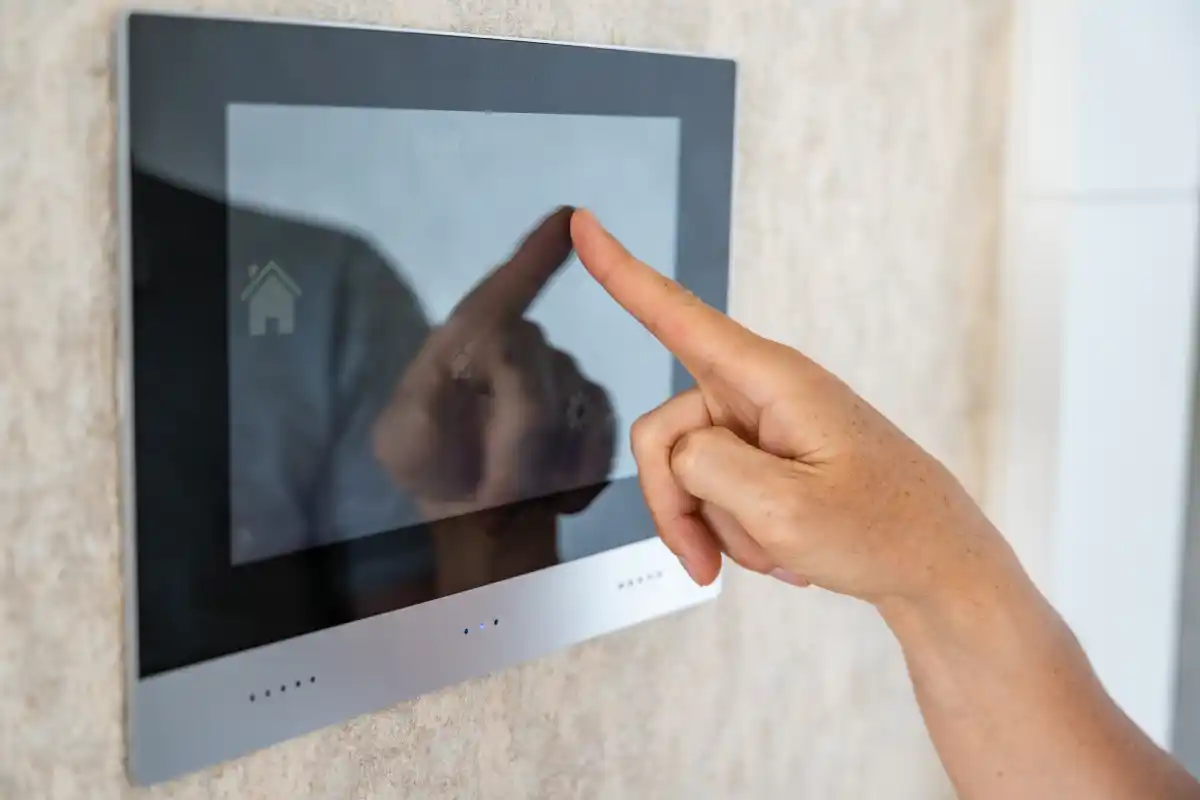
Key Smart Technologies for Modern Office Fitouts
Intelligent Lighting Systems
Smart lighting does more than switch on and off. Modern systems use occupancy sensors to detect when spaces are in use, automatically adjusting brightness levels based on natural light availability and time of day. Some systems even adjust colour temperature throughout the day to support circadian rhythms and reduce eye strain.
The benefits extend beyond comfort. Businesses typically see 30-50% reductions in lighting energy costs after implementing intelligent lighting systems. During an office fitout, integrating these systems into your ceiling design and electrical infrastructure ensures seamless operation without visible wiring or retrofitting challenges.
Climate Control and HVAC Integration
Smart climate control systems create different temperature zones throughout your office, allowing personalised comfort whilst minimising energy waste. Advanced systems learn usage patterns over time, pre-cooling or pre-heating spaces before staff arrive and reducing output in unoccupied areas.
For Brisbane’s subtropical climate, this technology is particularly valuable. Smart systems can integrate with your building management system to respond to external temperature changes, maintaining comfort whilst managing the significant cooling costs associated with our warm climate.
Access Control and Security Systems
Modern access control has moved far beyond swipe cards. Integrated security systems can use smartphone credentials, facial recognition or biometric scanning to manage building entry, and attendance, whilst providing detailed usage analytics.
Meeting Room Management
Smart meeting room technology eliminates the frustration of double bookings and no-shows. Digital displays outside each room show real-time availability, whilst integrated booking systems connect to calendar applications for seamless scheduling.
Advanced systems include occupancy sensors that automatically release bookings if rooms remain unused, making spaces available for others. Some even analyse meeting patterns to help businesses optimise their space allocation based on actual usage data.
Desk Booking and Hot Desking Solutions
With hybrid working now standard practice, desk booking technology helps businesses maximise their real estate investment. Employees can reserve workspaces through smartphone apps, whilst occupancy sensors provide data on actual space utilisation.
This technology supports flexible working arrangements whilst giving businesses insights into how their workspace is being used. Many companies have reduced their office footprint by 20-30% after implementing desk booking systems and analysing the resulting data.
IoT Sensors and Environmental Monitoring
Internet of Things (IoT) sensors monitor air quality, humidity, noise levels and occupancy in real time. This data helps create healthier, more productive work environments whilst identifying opportunities for operational improvements.
Poor air quality, for instance, can reduce cognitive performance by up to 50%. Smart sensors alert facility managers when ventilation needs adjustment or air filtration requires attention, maintaining optimal conditions without manual monitoring.
The Business Case for Smart Technology Integration
Reduced Operating Costs
Smart building technology can deliver 20-30% reductions in energy consumption through optimised lighting, heating and cooling. For a 500 square metre Brisbane office, this could translate to savings of thousands annually on utility bills alone.
Beyond energy, smart systems reduce maintenance costs through predictive monitoring. Rather than waiting for systems to fail, smart technology identifies potential issues early, allowing for planned maintenance that costs less and causes fewer disruptions.
Improved Employee Productivity
Environmental factors significantly impact productivity. Smart technology maintains optimal temperature, lighting and air quality without requiring employee intervention or complaints to trigger adjustments.
Research shows that employees in smart buildings report higher productivity scores compared to those in traditional offices. When staff spend less time adjusting thermostats or searching for available meeting rooms, they spend more time on work that matters.
Enhanced Flexibility and Scalability
Smart systems adapt as your business grows or changes. Adding new meeting rooms, reconfiguring workspaces or adjusting to hybrid working models becomes simpler when your technology infrastructure is already in place and expandable.
This flexibility is particularly valuable in Brisbane’s dynamic commercial property market, where businesses may need to adapt quickly to new opportunities or challenges.
Data-Driven Decision Making
Smart office technology generates valuable data about how your workspace is used. Which areas are most popular? When do meeting rooms sit empty? How many people actually work in the office each day?
This information supports evidence-based decisions about space planning, lease negotiations and future fitout investments. Many businesses discover they can achieve significant cost savings by right-sizing their office based on actual usage patterns rather than assumptions.

Planning Smart Technology Integration During Your Fitout
Start with Clear Objectives
Before selecting technology, identify what you want to achieve. Are you primarily focused on reducing energy costs? Supporting hybrid working? Improving security? Creating a better employee experience?
Your objectives will guide technology selection and integration planning. A clear vision also helps you allocate budget effectively, investing more in technologies that align with your priorities.
Consider Infrastructure Requirements
Smart technology requires robust infrastructure to function effectively. This includes structured cabling, network capacity, power availability and mounting locations for sensors and devices.
Planning these requirements during the fitout design phase is crucial. Retrofitting infrastructure after construction is significantly more expensive and disruptive than building it in from the start. Your fitout team should coordinate with technology specialists to ensure all necessary infrastructure is included in the initial build.
Think About Integration and Compatibility
The most effective smart office environments use integrated systems that communicate with each other rather than standalone technologies that operate in isolation.
When selecting systems, consider how they’ll integrate with existing technology and each other. Open protocols and API availability are important factors that affect long-term flexibility and prevent vendor lock-in.
Budget for Technology in Your Overall Fitout
Smart technology typically represents 8-15% of total fitout costs for a comprehensively equipped office. However, this investment delivers returns through reduced operating costs, improved productivity and enhanced workplace experience.
When planning your budget, follow the 40/30/30 rule for office fitouts: 40% for construction and base building work, 30% for furniture and 30% for technology and finishing touches. This allocation ensures appropriate investment in technology without compromising other essential elements.
Plan for Ongoing Management and Support
Smart technology requires ongoing management to maintain effectiveness. Factor in costs for system monitoring, software updates, user training and technical support when planning your investment.
Many businesses engage managed service providers to handle day-to-day system management, ensuring optimal performance whilst freeing internal teams to focus on core business activities.
Common Challenges and How to Avoid Them
Over-Complicating the User Experience
The best smart technology is invisible to users. Systems should work intuitively without requiring extensive training or technical knowledge.
Avoid the temptation to implement every available feature. Focus on technologies that solve real problems and enhance daily experience rather than creating complexity for its own sake.
Inadequate Change Management
Even the best technology fails without proper user adoption. Plan for comprehensive training, clear documentation and ongoing support as part of your implementation strategy.
Communicate the benefits clearly to your team, address concerns proactively and create champions within your organisation who can support their colleagues during the transition.
Insufficient Network Infrastructure
Smart technology is only as good as the network supporting it. Inadequate bandwidth, poor Wi-Fi coverage or network security vulnerabilities can undermine even the most sophisticated systems.
Engage network specialists early in your fitout planning to ensure your infrastructure can support both current requirements and future expansion.
Neglecting Cybersecurity
Connected devices create potential security vulnerabilities if not properly configured and maintained. Implement robust security measures including network segmentation, regular software updates and secure authentication methods.
Consider engaging cybersecurity specialists to review your smart office implementation and identify potential risks before they become problems.
Creating Your Smart Office Fitout Plan
Integrating smart technology into your office fitout doesn’t need to be overwhelming. Start by assessing your current pain points and identifying which technologies would deliver the most immediate value for your business.
Work with a fitout team experienced in technology integration who can coordinate the various specialists required for successful implementation. The right partner will help you navigate technology selection, ensure proper infrastructure planning and manage the implementation process from concept through to completion.
The investment in smart office technology pays dividends through reduced operating costs, improved employee experience and increased workplace flexibility. When integrated thoughtfully during your fitout, these systems become seamless parts of your workspace that support your business objectives and adapt as your needs evolve.
Ready to Create a Smarter Workspace?
At Urban Group, we specialise in commercial office fitouts that integrate cutting-edge technology with functional, beautiful design. With over 30 years of experience in Brisbane’s commercial fitout sector, we understand how to plan and implement smart office solutions that deliver real business value.
Our turnkey approach handles every aspect of your fitout, from initial space planning through to technology integration and furniture installation. We’ll work with you to identify the smart technologies that align with your business objectives and budget, then coordinate their seamless integration into your new workspace.
Contact Urban Group to discuss how smart technology can transform your Brisbane office space. Our team will help you create a workspace that’s not just smart, but intelligently designed for how your business actually works.