
How Well-Designed Building Lobbies Attract Businesses
When a prospective tenant walks into a commercial building for the first time, the lobby tells them almost everything they need to know. Within seconds, they have formed an impression of the building’s management, the quality of fit-out they can expect, and whether this is the kind of address their clients should be visiting.
Building lobbies are not decorative afterthoughts. They are strategic assets. In Brisbane’s increasingly competitive commercial leasing market, a well-designed lobby can be the difference between a building that attracts quality tenants and one that struggles to fill its floors.
First Impressions Drive Leasing Decisions
Commercial tenants are sophisticated buyers. Before they ever speak to a leasing agent, they have usually driven past the building, looked it up online, and formed an opinion. But it is the physical experience of walking through the front door that either confirms or destroys that first impression.
Research consistently shows that people make judgements about a space within the first few seconds of entering it. For a business weighing up several tenancy options, a lobby that feels dated, poorly lit or poorly maintained creates an immediate association with the building’s overall quality. Conversely, a lobby that communicates care, investment and design intention signals that the landlord takes their asset seriously.
In a market like Brisbane, where businesses have genuine options across the CBD, fringe suburbs and emerging commercial precincts, that early impression carries real weight in lease negotiations.
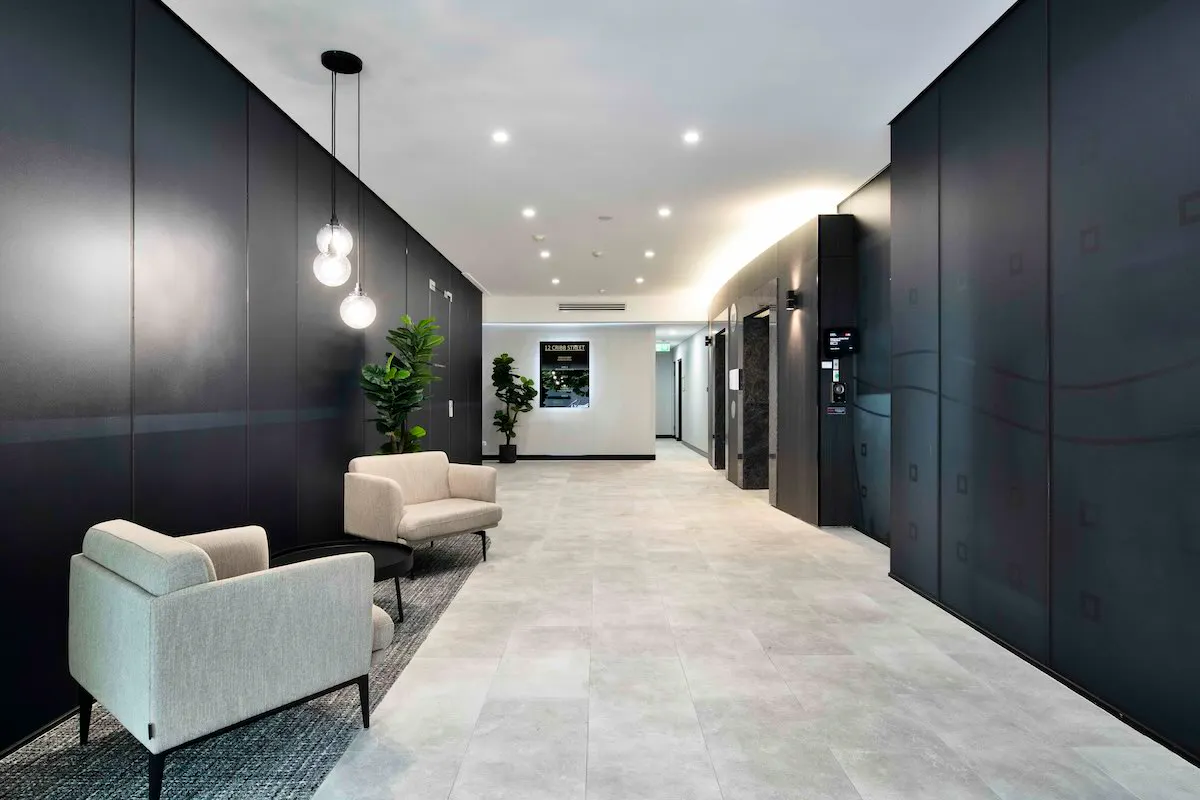
What Makes a Lobby Work for Tenant Attraction
Good lobby design is not about luxury. It is about communicating the right things to the right audience. The businesses most likely to commit to a quality lease are looking for specific signals.
A sense of professionalism and permanence. Tenants want to know that the address they are putting on their letterhead reflects well on them. A lobby with considered materials, consistent finishes and a coherent design language tells them this is a building that takes itself seriously.
Quality lighting. Few elements date a lobby faster than poor lighting. Conversely, well-considered lighting, whether natural light maximised through glazing or artificial lighting that creates warmth rather than harshness, immediately elevates the perceived quality of a space at relatively low cost.
Functional flow. A lobby that works well operationally matters as much as one that looks good. Clear wayfinding, sensible placement of lifts and security points, and enough space for people to move comfortably without congestion all contribute to a positive experience. Businesses that bring clients to their premises regularly think carefully about this.
Materials and maintenance. The condition of finishes is a direct proxy for how a building is managed. Worn carpet, outdated reception furniture or fixture replacements that do not quite match the original palette signal that maintenance is reactive rather than proactive. This matters to tenants who expect their own fit-out investment to hold its value.
The Lobby as a Reflection of the Tenant Community
A building’s lobby signals what kind of tenant community operates within it. This is particularly relevant for professional services firms, financial businesses and any organisation whose brand depends on being associated with quality.
When a law firm or accounting practice is evaluating a tenancy, they are partly asking: “Do our clients see us as the kind of firm that operates here?” That calculus involves the address, the building name, and critically, what the building looks like at ground level.
Brisbane has seen significant investment in commercial building lobbies in recent years, particularly in the CBD and premium fringe locations. Buildings at addresses like 1 Eagle Street, 240 Queen Street and developments in precinct areas like Fortitude Valley have used lobby upgrades as deliberate strategies to reposition their tenant attraction. The results are visible in both occupancy rates and the calibre of tenants those buildings attract.
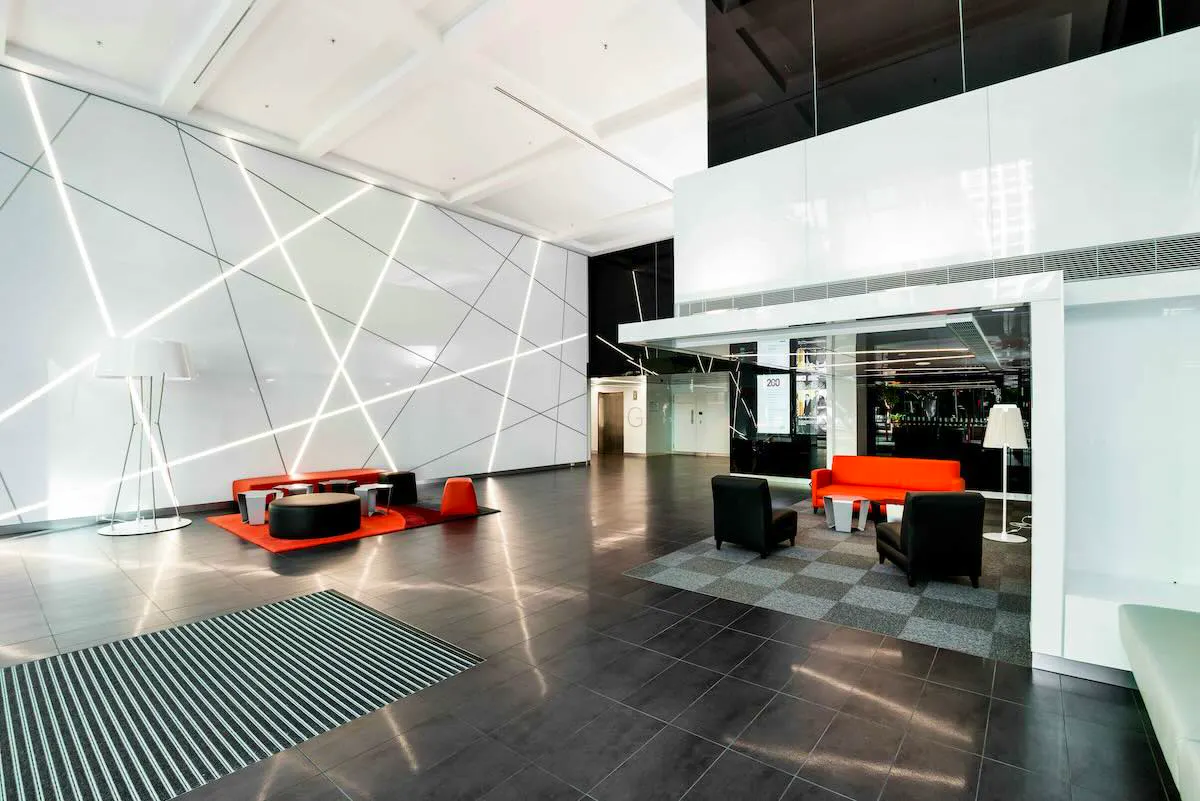
Why Lobby Design Matters Beyond the Lease Signing
The impact of a good lobby does not end when the lease is signed. It influences tenant retention, which is ultimately where a building’s long-term financial performance is made or lost.
Businesses do not renew leases purely on the basis of fit-out condition or floor plate efficiency. They renew because the building still reflects well on them, because their staff find it a pleasant environment to arrive at each day, and because the overall experience of the address continues to deliver value.
A lobby that ages well, that is maintained thoughtfully and updated periodically, contributes directly to those renewal decisions. In contrast, a lobby that has not kept pace with the surrounding market can be the trigger for a business to begin exploring other options, even when they are otherwise satisfied with their tenancy.
What Building Owners and Developers Should Consider
If you own or manage a commercial building in Brisbane and are thinking about tenant attraction, a lobby assessment is a practical starting point. You do not necessarily need a full lobby refurbishment to shift the perception of your asset. Targeted improvements in lighting, materials, wayfinding and maintenance protocols can make a meaningful difference.
The key questions to ask are:
Does the lobby communicate the same standard as the fit-outs on your floors? If your tenants are running high-quality, professional operations and your lobby looks tired, there is a mismatch worth addressing.
How does your lobby compare to competing buildings in your market? Benchmarking against direct competitors, particularly those actively investing in their assets, will tell you where you stand.
Does the lobby reflect the kind of tenant you are trying to attract? If you are seeking to move upmarket, the lobby needs to make that statement before the leasing conversation even begins.
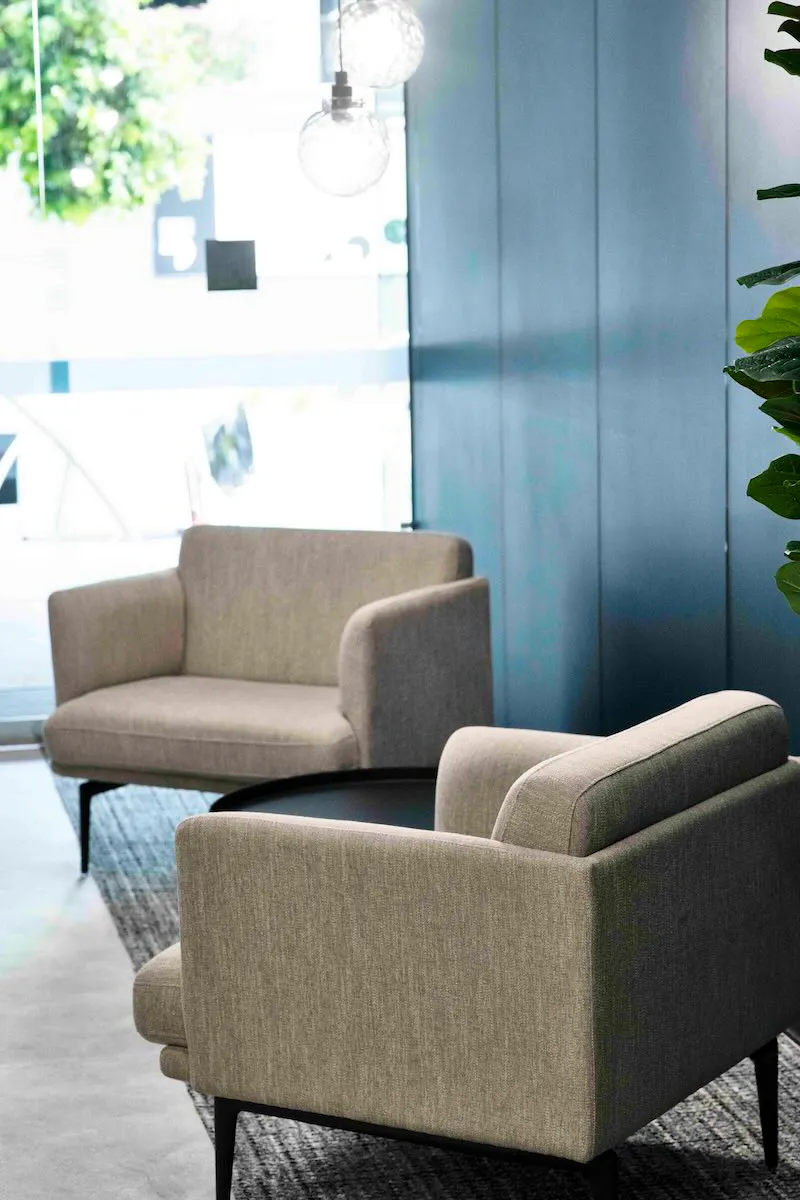
Working With Urban Group on Shared and Common Area Spaces
If you manage or own a commercial building in Brisbane, the lobby and common areas are among the most powerful tools you have for attracting and retaining quality tenants. They are also spaces where a targeted investment delivers returns across every floor of the building.
Urban Group works with building owners, managers and leasing agents on the commercial spaces that sit outside individual tenancies: lobbies, end of trip facilities, common corridors, meeting and waiting areas, and other shared spaces that shape the daily experience of everyone in the building.
With over 30 years working across Brisbane and South East Queensland’s commercial property market, we understand what tenants are looking for and how the right improvements to shared spaces can reposition a building, support lease negotiations and reduce vacancy periods.
If your building’s common areas are not keeping pace with your tenant expectations or the competing stock in your market, it is worth having a conversation. Contact the Urban Group team to discuss what is possible.